

Some roads you drive. Some you wade.
Sooner or later, every track you love runs straight into water. A flooded causeway, a crossing that was dry last time, a creek that's decided to be a river. And it's in that moment, engine idling, everyone staring at the water, that you find out a lot about a trip and about the people you're with.
Here's one of those moments from our crew, and what to think about when it happens to you.
The causeway
On the Shamba Boiz trip in August 2025 the track ran straight into water. A salt-lake causeway, flooded, with no way round. The convoy pulled up. Everyone got out to have a look. Then, one by one, we went in.
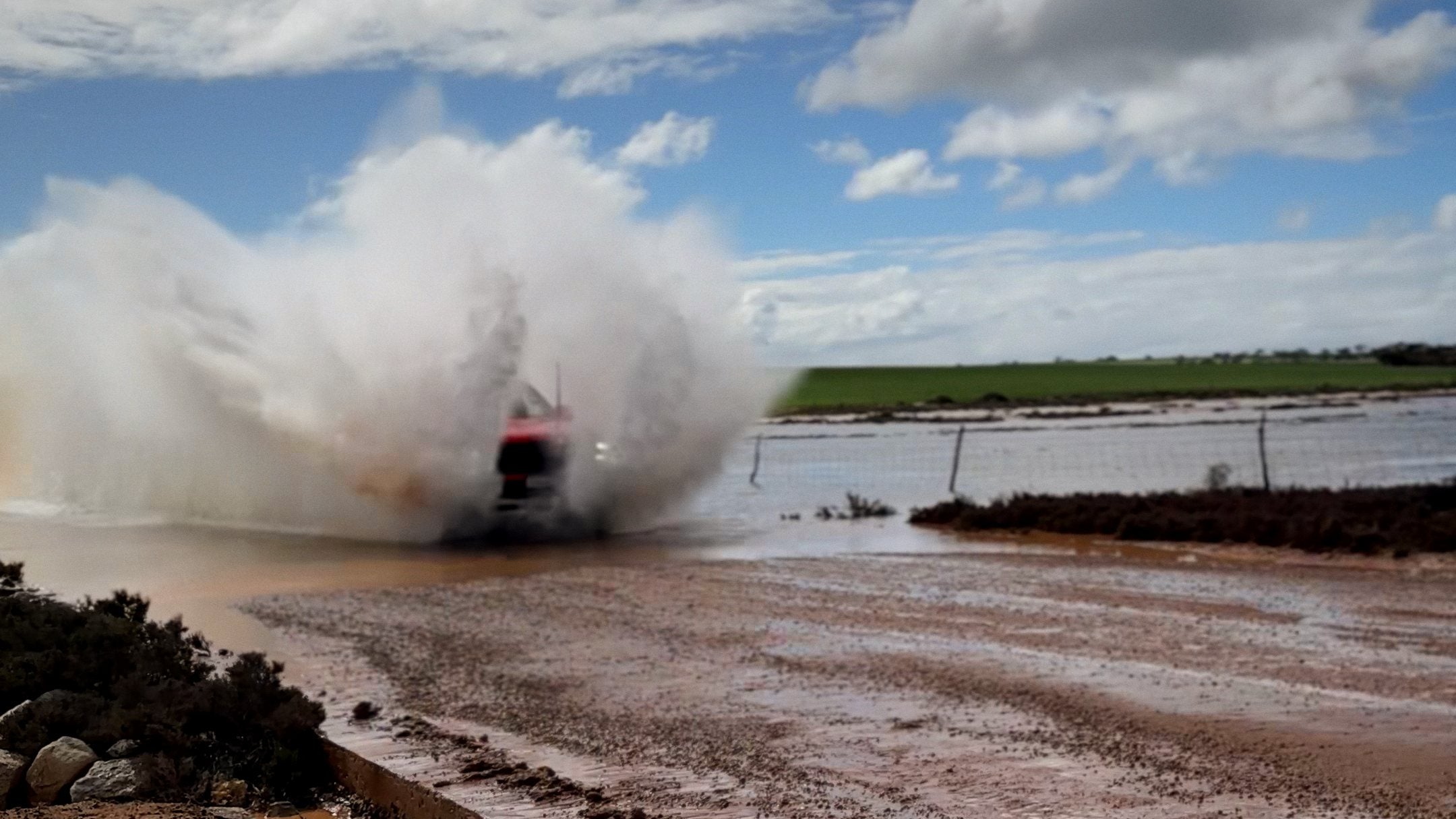
A wall of spray, a big blue sky, and a mate's red Ranger coming out the other side still dripping. Then the next rig. Then the next.
Some roads you drive. Some you wade.
Before you go in: the stop, look and walk rule
The best thing that convoy did was the boring bit: it stopped. Water hides everything that matters, like how deep it is, what the bottom is like and whether there's a hole halfway across. So:
- Stop and get out. Every time. The view from the driver's seat lies.
- If it's a flooded public road, turn around. No trip is worth it. Find another way or wait it out.
- On a track, check it properly. Look for the depth, the current and what's underneath. If you can't tell, don't go.
- One rig at a time. Everyone else waits, watches and stays ready to help.
- Know your rig. Read your vehicle's manual on wading before the trip, not on the bank.
And if you're new to this, the honest answer is often the right one: go round, go back, or camp and look again in the morning.
Then came the mud
After the water came the mud. Red mud, the slippery kind, the kind that throws a ute sideways if you look at it wrong. Nobody got through clean. By the end every rig wore the same colour.
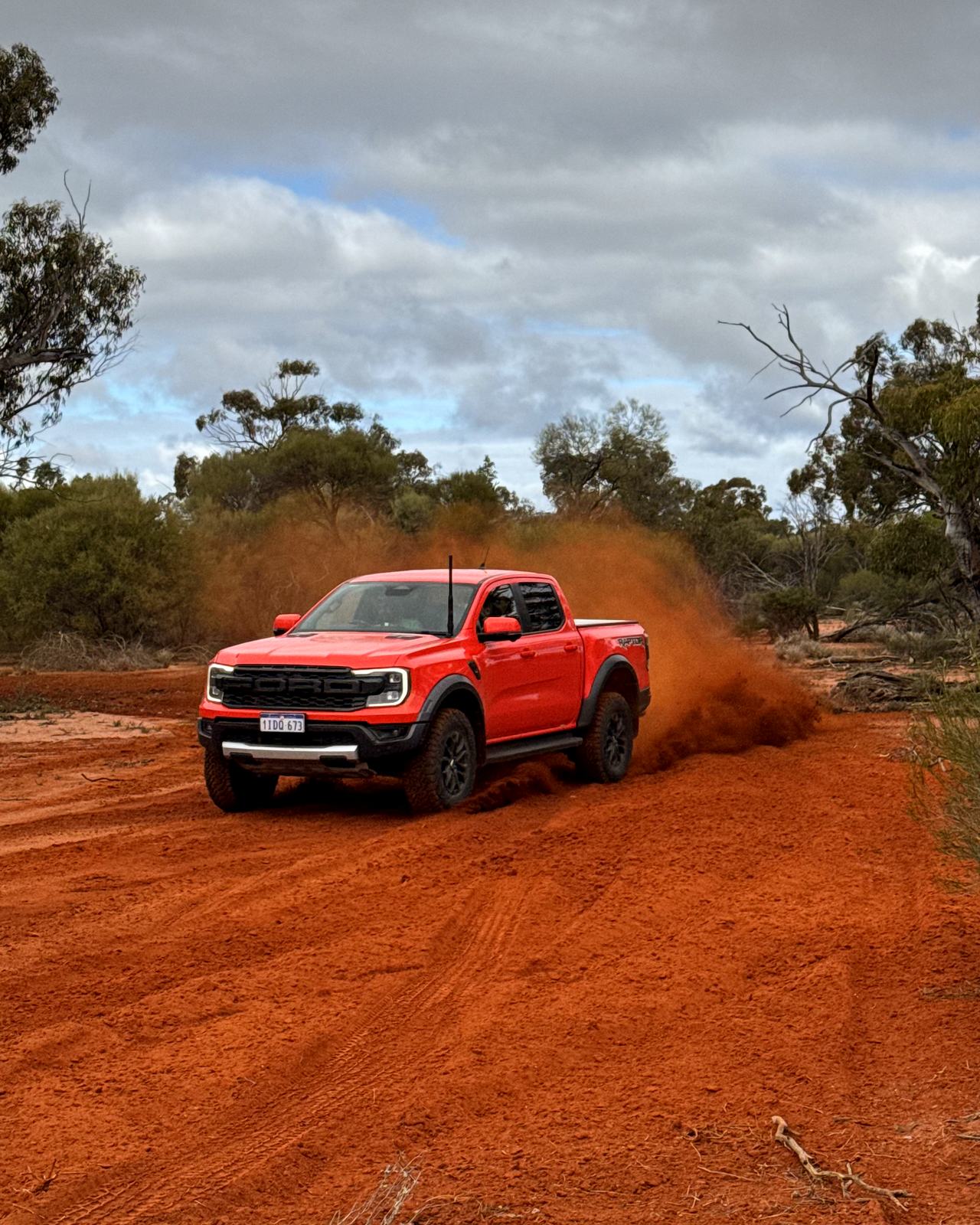
Mud rewards patience. Smooth, steady throttle beats big bursts of power, which just dig you in. Keep the wheels pointed where you want to go. Don't follow a deep rut if you can't see the bottom of it. And have the recovery gear out and ready before you start, not after you've stopped moving.
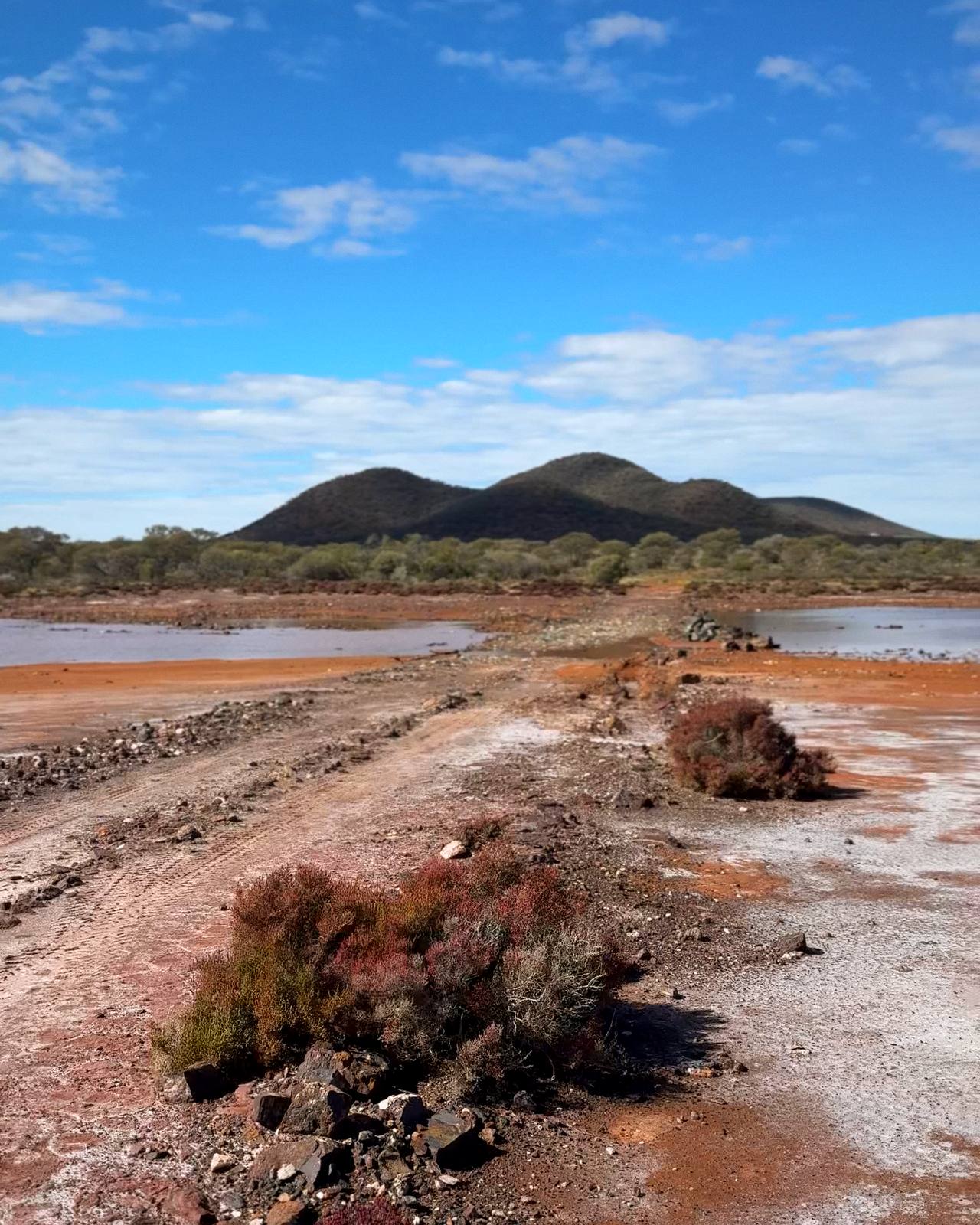
The bit that stays with you
At dusk the convoy lined up on the red dirt, Maisha up front, everyone a bit quieter than in the morning. That's what you remember. Not the crossing. The people you crossed it with.
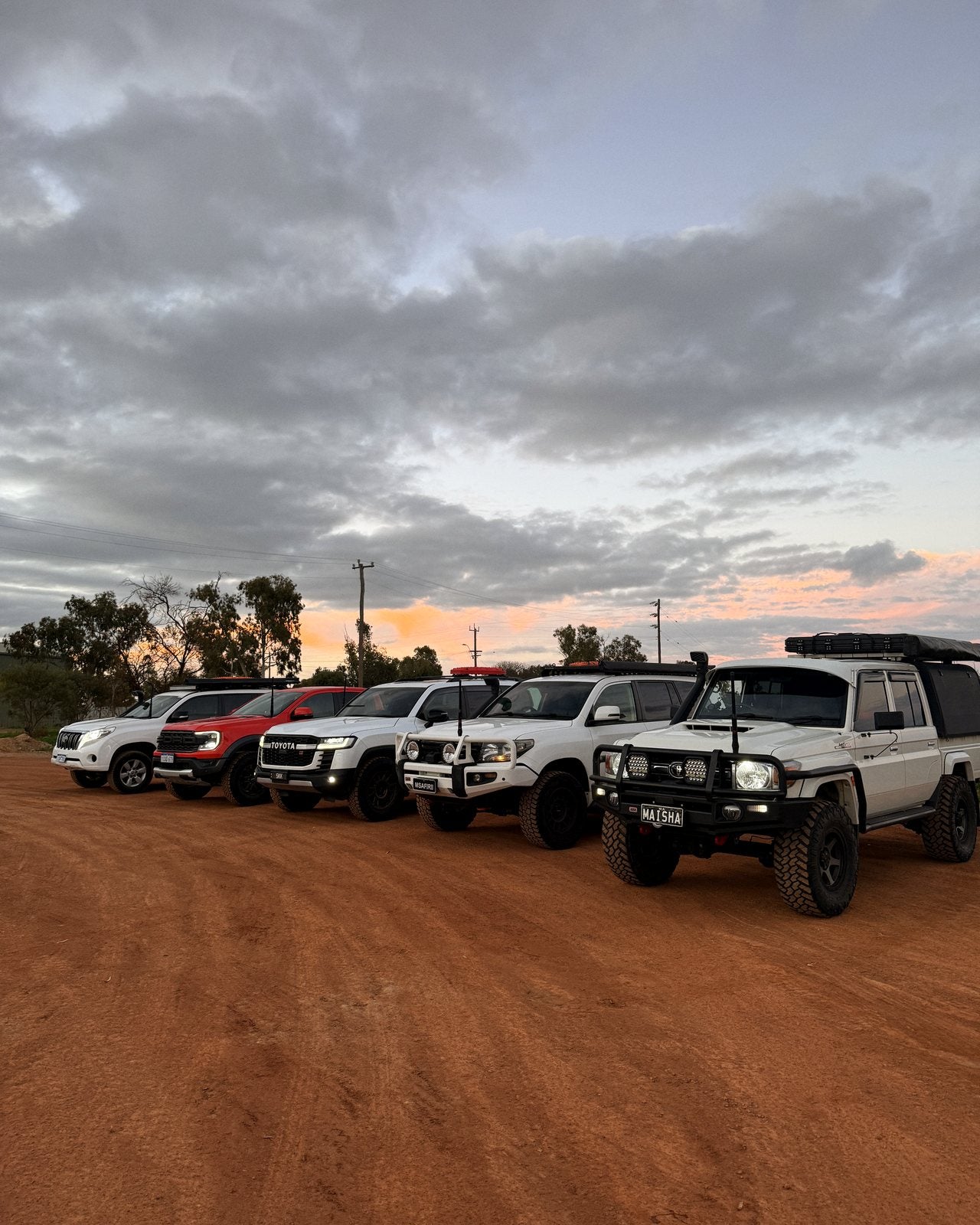
There's a Maasai word for that: Osotua, a sacred bond between people, built on giving. It's the mate who tows you out of the bog and won't hear a word about it. It's the spare jumper lent without being asked. Our Osotua tee has a tyre tread wrapped around her for a reason. Wear it with the people you'd follow down any track. Better still, give one to them (there's a women's cut too).
Your takeaway
Travel with at least one other rig. Stop before every crossing. Turn back without embarrassment. And look after the people you're with, because that's the real trip. If this got you thinking about your first big run, read the long way round, see the whole Osotua range, or grab a 4WD hoodie for the cold nights after a muddy day.
Questions we get asked
What does Osotua mean?
Osotua is the Maasai word for a sacred bond between people, built on giving. It's the mate who tows you out of the bog and won't hear a word about it.
Should you drive through a flooded road?
If it's a flooded public road, the safe answer is no: turn around and find another way. On a track you know, only cross once you've stopped, got out and checked the depth and the bottom, and only if you're travelling with another rig.
How do you drive through red mud in a 4WD?
Slow and steady with smooth throttle, not big bursts. Keep the wheels pointed where you want to go, don't follow deep ruts you can't see the bottom of, and have recovery gear and a mate ready before you start, not after you're stuck.